The Things My Aunts Taught Without Lessons
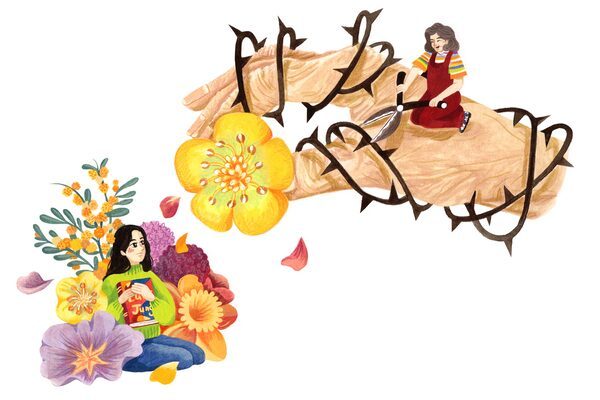
A long personal reflection on the informal education provided by aunties through food, correction, humour, protection, and example.
None of my aunts ever announced that a lesson was beginning.
They did not gather us in rows or write objectives on a board. Their teaching occurred while peeling provisions, folding laundry, waiting for buses, preparing for funerals, and discussing people they insisted they were not gossiping about.
The first lesson was observation.
An aunt could enter a room and understand its emotional weather before anyone spoke. She noticed who had stopped eating, whose laughter was too loud, which child had become unusually helpful, and which adult was avoiding a particular name.
From this I learned that care begins before questions. People do not always need to be interrogated in order to be seen.
Another aunt taught presentation. She believed ironing was a moral activity. A shirt could be inexpensive, borrowed, or repaired, but it should not appear defeated. She pressed collars with military precision and inspected shoes before we left the house.
As a teenager, I considered this obsession superficial. Later I understood that presentation had been one of the few forms of control available to women whose competence was constantly judged.
My aunts taught economics through improvisation. One could feed unexpected visitors without appearing surprised. Another knew which bills could wait three days and which company would disconnect service immediately.
Their budgets were not spreadsheets. They were relationships.
They taught me that poverty is expensive. Cheap appliances fail sooner. Small loans carry higher interest. A missed day of work can create a fee, which creates another missed payment, which creates another fee.
They also taught refusal.
One aunt ended conversations by lifting a single eyebrow. Another said no in a tone that contained no future meeting.
Their humour was another education. It was rarely gentle, but it was often precise. A foolish decision could be summarized in one sentence and repeated at every family gathering for fifteen years.
Yet jokes could also wound. Families sometimes hide cruelty inside entertainment and accuse the injured person of lacking humour. My aunts taught both sides of this truth.
Food carried many of their lessons. Recipes were transmitted through verbs rather than measurements: add enough, cook until ready, use the good hand, watch the colour.
I once asked how much water to add to a pot. My aunt said, “The amount it needs.”
This answer irritated me for years. Now I recognize it as an invitation to develop judgment. She wanted me to observe texture, heat, smell, and timing rather than depend on a number detached from context.
My aunts also taught mourning. They knew what to bring to a grieving house, which tasks to perform without asking, and when to stop talking.
Grief, in their practice, was communal labour. The bereaved were not expected to host their own sorrow.
They taught celebration with equal seriousness. Birthdays, graduations, christenings, and small achievements were enlarged through food and witnesses.
Not every lesson deserves preservation. Some aunts carried fear disguised as wisdom. Do not travel alone. Do not speak too loudly. Do not challenge men. Do not reveal family business.
These warnings came from real experience, but experience can teach survival without teaching freedom.
Part of growing older has been deciding which lessons to keep. I retain the observation, resourcefulness, humour, food, care, and insistence on dignity. I question the silence, respectability, and self-erasure.
Auntying, as I understand it now, is not a biological role. It is a practice of deliberate relation. It is noticing the young person at the edge of the room. It is giving advice without demanding ownership of the outcome.
It is also allowing younger people to teach us.
None of my aunts announced that a lesson was beginning.
Perhaps that is why the lessons lasted. They entered through ordinary moments and settled quietly into the way I cook, work, love, prepare, question, and look after people.
I hear their voices most clearly when I am about to leave the house.
You have your keys?
Call when you reach.
Take something to eat.
And stand up straight.
They did not gather us in rows or write objectives on a board. Their teaching occurred while peeling provisions, folding laundry, waiting for buses, preparing for funerals, and discussing people they insisted they were not gossiping about.
The first lesson was observation.
An aunt could enter a room and understand its emotional weather before anyone spoke. She noticed who had stopped eating, whose laughter was too loud, which child had become unusually helpful, and which adult was avoiding a particular name.
From this I learned that care begins before questions. People do not always need to be interrogated in order to be seen.
Another aunt taught presentation. She believed ironing was a moral activity. A shirt could be inexpensive, borrowed, or repaired, but it should not appear defeated. She pressed collars with military precision and inspected shoes before we left the house.
As a teenager, I considered this obsession superficial. Later I understood that presentation had been one of the few forms of control available to women whose competence was constantly judged.
My aunts taught economics through improvisation. One could feed unexpected visitors without appearing surprised. Another knew which bills could wait three days and which company would disconnect service immediately.
Their budgets were not spreadsheets. They were relationships.
They taught me that poverty is expensive. Cheap appliances fail sooner. Small loans carry higher interest. A missed day of work can create a fee, which creates another missed payment, which creates another fee.
They also taught refusal.
One aunt ended conversations by lifting a single eyebrow. Another said no in a tone that contained no future meeting.
Their humour was another education. It was rarely gentle, but it was often precise. A foolish decision could be summarized in one sentence and repeated at every family gathering for fifteen years.
Yet jokes could also wound. Families sometimes hide cruelty inside entertainment and accuse the injured person of lacking humour. My aunts taught both sides of this truth.
Food carried many of their lessons. Recipes were transmitted through verbs rather than measurements: add enough, cook until ready, use the good hand, watch the colour.
I once asked how much water to add to a pot. My aunt said, “The amount it needs.”
This answer irritated me for years. Now I recognize it as an invitation to develop judgment. She wanted me to observe texture, heat, smell, and timing rather than depend on a number detached from context.
My aunts also taught mourning. They knew what to bring to a grieving house, which tasks to perform without asking, and when to stop talking.
Grief, in their practice, was communal labour. The bereaved were not expected to host their own sorrow.
They taught celebration with equal seriousness. Birthdays, graduations, christenings, and small achievements were enlarged through food and witnesses.
Not every lesson deserves preservation. Some aunts carried fear disguised as wisdom. Do not travel alone. Do not speak too loudly. Do not challenge men. Do not reveal family business.
These warnings came from real experience, but experience can teach survival without teaching freedom.
Part of growing older has been deciding which lessons to keep. I retain the observation, resourcefulness, humour, food, care, and insistence on dignity. I question the silence, respectability, and self-erasure.
Auntying, as I understand it now, is not a biological role. It is a practice of deliberate relation. It is noticing the young person at the edge of the room. It is giving advice without demanding ownership of the outcome.
It is also allowing younger people to teach us.
None of my aunts announced that a lesson was beginning.
Perhaps that is why the lessons lasted. They entered through ordinary moments and settled quietly into the way I cook, work, love, prepare, question, and look after people.
I hear their voices most clearly when I am about to leave the house.
You have your keys?
Call when you reach.
Take something to eat.
And stand up straight.